
Despite economic chaos and political instability, Argentina moved from near-zero to nearly 40% renewable electricity. The blueprint is ready — Punjab just needs the will to use it.
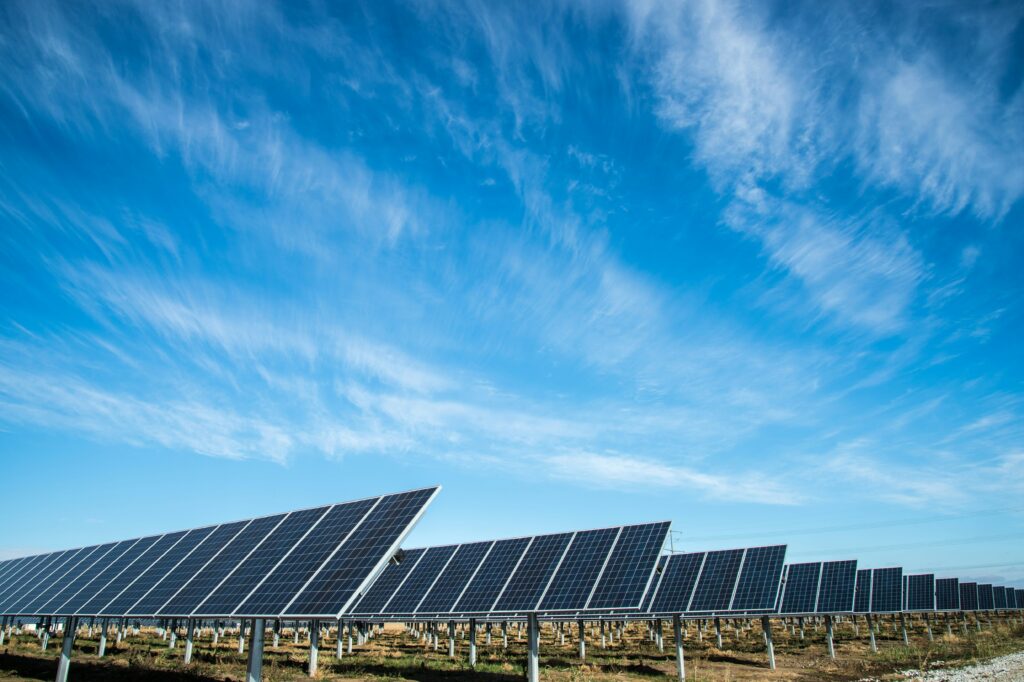
There is a moment in Argentina’s recent energy history that should stop every policymaker in Punjab cold. In 2015, the country generated almost no electricity from renewable sources. By 2021, on some days, nearly 40 percent of its power came from wind and solar. This transformation did not happen in Norway or Germany — it happened in a country facing debt crises, currency collapses, and government changes every few years.
If Argentina could do it, Punjab — with its vast wind corridors in the Malwa belt, its sun-drenched fields, and its engineering talent — has absolutely no excuse not to try.
The problem was never technology or resources
Argentina tried to build a renewable energy sector multiple times since the 1990s — and failed every time. The country has tremendous wind resources in Patagonia and solar potential in the northwest. The technology existed. The international capital existed. What did not exist was trust.
Investors who put money into large infrastructure projects need to be confident that the rules will not change before they recoup their investment. A solar plant built today will pay back its costs over 15 to 20 years. If a new government can rewrite the energy policy after the next election, no rational private investor will take that bet.
This is exactly the trap Punjab finds itself in today. The state has seen its electricity situation worsen steadily — power subsidies that strain the budget, heavy dependence on coal plants, and an agricultural sector that consumes enormous amounts of unmetered power. The resources for change are here. The missing ingredient, as in Argentina, is a stable and credible policy framework.
“Energy transition does not happen because it is environmentally right. It happens when it becomes economically inevitable — for investors and governments alike.“
What Argentina actually did differently
The turning point came with a single, bold political act: building cross-party consensus. Argentina passed a national renewable energy law with 94 percent support in Congress. That number is not symbolic — it meant that whichever party won the next election, the renewable energy framework would survive. Investors noticed. The risk calculation changed overnight.
But law alone was not enough. Argentina also engineered a set of financial guarantees so robust that international investors stopped seeing the country’s economic volatility as a dealbreaker. A government-backed fund guaranteed that energy producers would be paid even if the local utility ran into trouble. An early-termination clause guaranteed that if a project was cancelled by policy change, investors would be made whole. And crucially, the World Bank stepped in as an international backstop — ensuring payments in stable foreign currency even during a national financial crisis.
The results were extraordinary. Solar energy prices dropped from around $350 per unit to just $50. Over 200 renewable projects were developed. Carbon emissions fell by more than 300 million tons. And the country cut its dependence on expensive fuel imports, saving over two billion dollars a year in foreign currency.
Punjab’s window — and why it matters now
Punjab’s energy situation is, in many ways, more manageable than Argentina’s was. The state has a functioning grid, a relatively educated workforce, and direct access to central government schemes like PM Kusum and the Production Linked Incentive programme for solar manufacturing. The National Green Hydrogen Mission and India’s broader 500 GW renewable target by 2030 create a policy wind at Punjab’s back that Argentina never had.
What Punjab lacks is the same thing Argentina lacked: a durable, bipartisan commitment that survives election cycles, and financial structures that make it safe for private capital to enter at scale.
The state currently loses thousands of crores every year on power subsidies. A portion of that money, redeployed as payment guarantees and risk-reduction instruments for renewable investors, could unlock private investment many times larger — just as it did in Buenos Aires.
The economic case, not the moral one
This is perhaps Argentina’s most important lesson for Punjab’s policymakers: stop selling renewable energy as an environmental obligation and start selling it as a financial relief valve. Argentina did not succeed because its leaders were passionate about climate change. It succeeded because, at some point, the economic pain of fossil fuel imports became greater than the political difficulty of reform.
Punjab’s power sector is haemorrhaging money. The state’s agricultural subsidies are politically untouchable in the short term — but solar-powered agriculture, if structured correctly, can actually reduce the total subsidy burden over time while giving farmers more reliable power. The conversation needs to shift from “green energy is good for the planet” to “solar power will stop draining the treasury.”
The cost of waiting
Argentina’s failed attempts between 1990 and 2014 were not just policy failures — they were decades of wasted potential, continued import dependence, and missed investment. Every year that Punjab does not build the institutional and financial architecture for renewable energy is a year of higher electricity costs, heavier subsidy burdens, and more carbon in the air above the Indo-Gangetic plain.
The blueprint exists. A country far more economically unstable than India proved it works. The question for Punjab’s leadership is not whether this is possible — it is whether they have the political courage to build the cross-party consensus and financial architecture that makes it inevitable.
Argentina ran out of excuses in 2015. Punjab is running out of time.